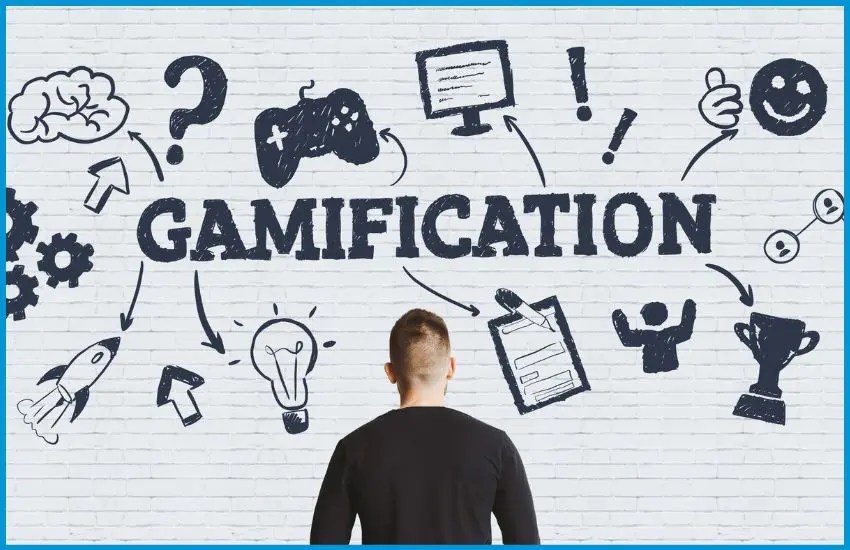
In today’s evolving academic environment, education is no longer confined to textbooks and lectures. Teachers and institutions are seeking innovative methods to engage learners and enhance outcomes. One of the most transformative strategies gaining traction is gamification. By integrating game elements into the learning process, educators are redefining how students interact with content and each other. Gamification has emerged as a dynamic approach to make education more interactive, enjoyable, and effective. This article explores how gamifying education is reshaping learning experiences, the psychology behind it, real-life applications, and the future of this approach.
What is Gamification in Education?
Gamification in education refers to the application of game-design elements and principles in non-game contexts to enhance student engagement and learning outcomes. It does not necessarily involve playing actual video games; rather, it includes using points, leaderboards, badges, progress bars, and storytelling to create a game-like environment in classrooms or online learning platforms.
Key components of gamified learning include:
- Points and Scores: Earned for completing tasks or answering questions.
- Badges and Achievements: Visual rewards for accomplishments.
- Leaderboards: Rankings that promote friendly competition.
- Challenges and Quests: Structured tasks to encourage active participation.
- Progress Bars: Visual representation of a learner’s advancement.
Unlike educational games that are specifically designed as games, gamified education adapts standard curriculum content into a more engaging format by layering it with game mechanics.
The Psychology Behind Gamification
Understanding why gamification works begins with examining human psychology. Games trigger the release of dopamine—a chemical associated with pleasure and motivation. When learners receive rewards or level up, their brains associate the task with satisfaction, prompting continued engagement.
Some key psychological concepts include:
- Positive Reinforcement: Immediate feedback and rewards encourage repetition of behaviors.
- Motivation: Intrinsic (desire to learn) and extrinsic (points, prizes) motivators work together.
- Flow State: When students are fully immersed in a task, they experience heightened focus and productivity.
- Goal Orientation: Setting clear goals and offering recognition promotes perseverance.
By leveraging these psychological triggers, gamification transforms mundane academic tasks into enjoyable challenges that stimulate both engagement and cognitive development.
Benefits of Gamifying Learning
The integration of gamification into education offers several significant benefits:
- Enhanced Engagement: Game elements make learning more captivating, especially for younger students or those with shorter attention spans.
- Improved Knowledge Retention: Interactive learning promotes better memory recall compared to passive methods.
- Increased Motivation: Rewards and recognition encourage students to put in extra effort.
- Real-Time Feedback: Immediate results help students understand their strengths and areas for improvement.
- Boosts Collaboration: Multiplayer elements or team-based tasks encourage social learning.
- Safe Failure Environment: Games allow students to fail and try again without fear, promoting experimentation and resilience.
- Personalized Learning Paths: Adaptive gamified systems can adjust challenges based on a learner’s progress.
Popular Gamification Tools and Platforms
A variety of tools and platforms have been developed to help educators incorporate gamification into their teaching practices:
- Kahoot!: A game-based learning platform where teachers can create multiple-choice quizzes.
- Classcraft: A role-playing game for classroom management and lesson engagement.
- Duolingo: A language learning app that uses points, streaks, and levels to motivate users.
- Quizizz: Allows students to play quizzes at their own pace with leaderboards and scores.
- Edmodo and Seesaw: Integrate gamified features for tracking learning progress.
These platforms offer user-friendly interfaces and are accessible for classrooms, remote learning, and corporate training alike.
Gamification Across Educational Levels
- Primary and Secondary Schools: Games help maintain attention, teach foundational concepts, and build teamwork.
- Higher Education: Universities use gamification for course modules, orientation programs, and collaborative projects.
- Corporate Training: Companies apply gamified systems for employee onboarding, compliance training, and skill development.
Each level has unique learning needs, and gamification is versatile enough to be tailored accordingly.
Gamification and University Assignment Help
As gamification gains popularity in higher education, students are also increasingly seeking university assignment help to manage their workload. When combined, gamified learning and assignment support services can significantly enhance both engagement and academic outcomes. While gamified platforms increase motivation through challenges and rewards, assignment help services ensure that students receive expert guidance and clarity in completing complex tasks. This hybrid approach creates a more effective and supportive learning environment for university-level learners.
Challenges and Criticisms
Despite its many benefits, gamification is not without drawbacks:
- Overemphasis on Rewards: Students may focus more on collecting points than understanding content.
- Inequality in Access: Not all schools have access to the necessary digital tools or internet connectivity.
- Time and Resource Intensive: Designing effective gamified content requires time, training, and sometimes budget.
- Risk of Superficial Learning: Poorly designed games may prioritize entertainment over educational value.
- Teacher Preparedness: Not all educators are trained in game design or familiar with integrating gamification tools.
To be effective, gamification must be implemented thoughtfully, ensuring alignment with educational objectives.
Real-World Case Studies
Several institutions and educators have successfully implemented gamification strategies with notable outcomes:
- North Carolina State University: Developed “Crystal Island,” a game-based learning environment for science education. It led to measurable gains in knowledge and problem-solving skills.
- University of Michigan: Used badges and progress indicators in online learning to increase course completion rates.
- Finland’s School System: Known for integrating play and education, fostering a culture of creativity and collaboration.
These examples demonstrate that when done right, gamification can drive meaningful educational outcomes and encourage long-term learning.
Gamified Learning and Assignment Help UK Services
In the UK, educational institutions are rapidly adopting gamification techniques to modernize the learning process. At the same time, students continue to rely on assignment help UK services to meet academic demands and maintain high performance. The integration of these services with gamified tools—such as interactive feedback, task tracking, and achievement systems—can create a more engaging and personalized study experience. This combination allows UK students to approach assignments with greater motivation and improved understanding.
How to Incorporate Gamification in Your Learning Environment
If you’re an educator or parent looking to bring gamification into your teaching approach, here are some practical tips:
- Set Clear Objectives: Define what you want students to learn before designing any game elements.
- Start Small: Introduce basic components like point systems or badges before progressing to complex game mechanics.
- Align With Curriculum: Ensure that gamified tasks directly support academic goals.
- Encourage Collaboration: Use team-based challenges to build communication and social skills.
- Track Progress: Use dashboards or progress bars to monitor and motivate learners.
- Use Assignment Help Platforms (Where Applicable): Some gamified platforms offer assignment assistance or feedback that can complement student efforts.
- Reward Effort and Improvement: Focus on personal growth rather than just high scores.
- Gather Feedback: Regularly ask students for their opinions to improve the experience.
The Future of Gamification in Education
As technology continues to evolve, the future of gamification looks promising. Emerging trends include:
- Virtual Reality (VR) and Augmented Reality (AR): Creating immersive learning environments for hands-on practice.
- Artificial Intelligence (AI): Customizing learning experiences based on student behavior and performance.
- Blockchain for Credentialing: Using blockchain to track learning achievements and badges securely.
- Cross-Platform Learning: Integrating gamification across mobile apps, websites, and classroom software.
These advancements will likely expand gamification’s role in mainstream education and workplace training.
Conclusion
Gamification is more than just adding fun to education—it is a powerful strategy for fostering engagement, motivation, and deep learning. By applying game principles to educational content, teachers can transform traditional lessons into dynamic experiences. While challenges like accessibility and over-rewarding remain, thoughtful implementation of gamification offers lasting benefits for learners of all ages.
Gamification is more than just adding fun to education—it is a powerful strategy for fostering engagement, motivation, and deep learning. By applying game principles to educational content, teachers can transform traditional lessons into dynamic experiences. While challenges like accessibility and over-rewarding remain, thoughtful implementation of gamification offers lasting benefits for learners of all ages.
As we look toward the future, the fusion of play and learning continues to evolve, offering endless opportunities for innovation in education. Whether you’re a teacher, student, or parent, embracing gamification can create a more meaningful and enjoyable educational journey. For students needing extra academic support, platforms like I Assignment Help can complement gamified learning by offering personalized assistance, making the educational experience both efficient and enriching.
 New Story
Leave a comment